10 Benefits of Forestry Mulching
December 20, 2023
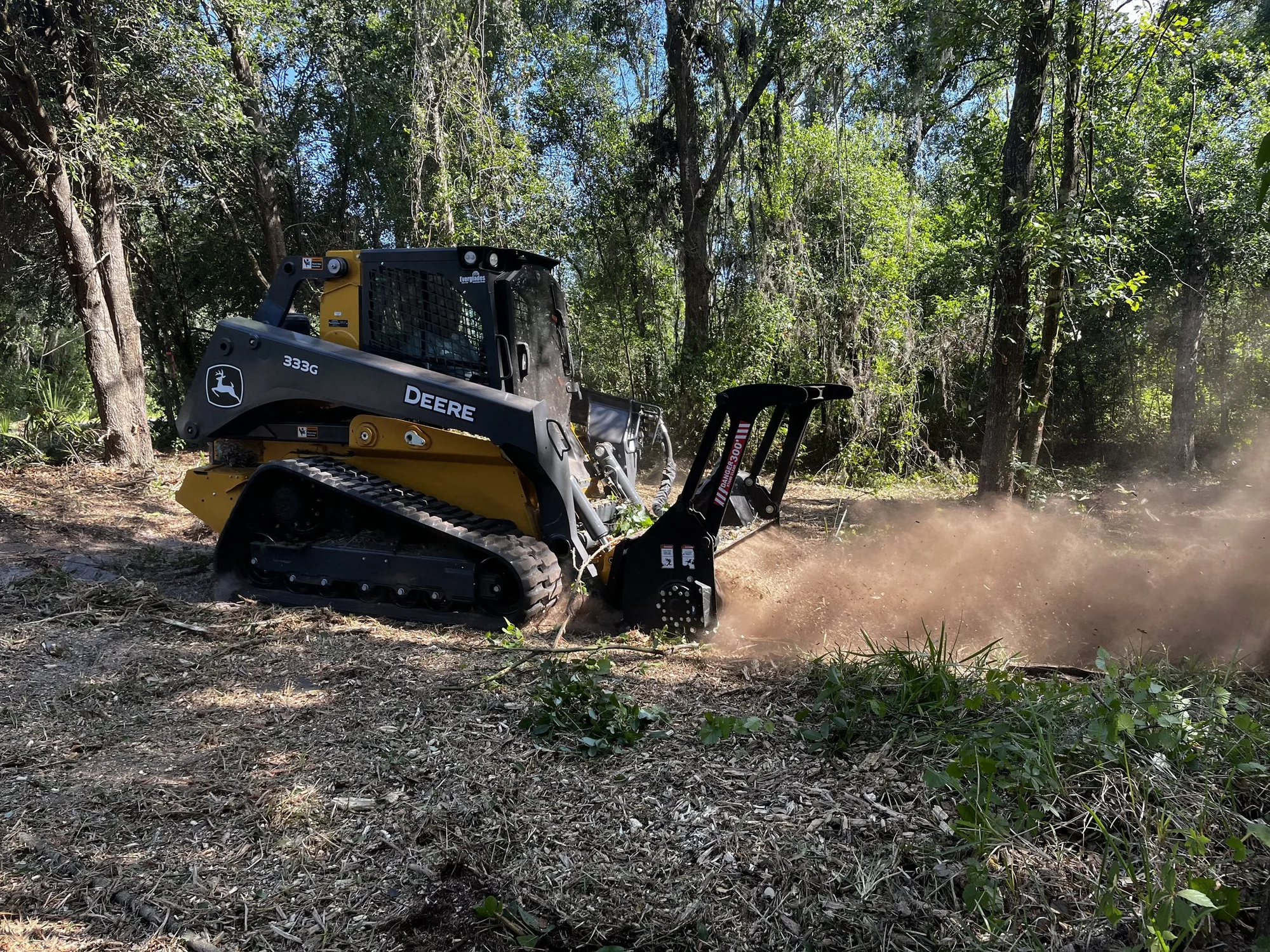
Forestry mulching, also called mulching, employs specialized equipment to grind tree limbs and brush into small fragments. The process can include removing entire trees and proves particularly valuable on densely forested properties where conventional machinery struggles to operate.
Eco-Friendly Solution
The practice diminishes reliance on chemicals like herbicides and pesticides that can contaminate waterways during rainfall. Forestry mulching enhances soil quality by creating a protective layer that prevents erosion while reintroducing nutrients that encourage beneficial plant development.
Reasons to Clear
This technique suits multiple applications including construction, residential projects, agricultural use, road development, and pipeline installation. It also benefits pond management, embankment work, and surveying access.
Cost Effective Soil Improvement
When executed properly, the method upgrades soil condition while reducing nutrient competition from unwanted vegetation. It simultaneously decreases expenses and time needed for land clearing.
Benefits of Forestry Mulching
- No permits are required
- Reduced need for herbicides, pesticides and fertilizers
- Improves soil health
- Aids in hindering weed growth
- Reduces erosion
- Promotes plant growth
- Faster and more efficient land clearing
- Cost-effective land clearing method
- No waste
- Eliminates air pollution from burning
The approach recycles organic materials into the ecosystem without requiring debris removal trucks or burning, thereby avoiding air pollution and wildfire hazards.